

The evolution of gambling A journey through history
Origins of Gambling
The practice of gambling dates back thousands of years, with its origins rooted in ancient civilizations. Archaeological findings suggest that as early as 3000 BCE, people in Mesopotamia engaged in games of chance using dice made from materials like bone and wood. These primitive forms of gambling served not just as entertainment but also as a means of divination and decision-making in both social and religious contexts. As you explore the vibrant world of gaming today, you may discover new casinos tailored specifically for New Zealand players.

As societies evolved, so did the nature of gambling. The ancient Chinese were known to have developed games involving betting on outcomes, while in Rome, gambling was closely tied to social events and festivities. The Romans embraced various forms of gambling, from betting on gladiatorial contests to games of dice, reflecting a culture that found excitement in risk-taking.
Gambling Through the Ages
During the Middle Ages, gambling faced scrutiny, particularly from religious institutions that viewed it as morally questionable. Nevertheless, it persisted, often taking the form of card games and betting on sports, despite being pushed underground. The invention of playing cards in the 14th century marked a significant turning point, leading to the establishment of more organized gambling venues.
The Renaissance period saw gambling flourish with the introduction of sophisticated games and the establishment of the first official casinos. The Casino di Venezia, opened in 1638, is recognized as the world’s oldest casino, laying the groundwork for modern gaming establishments. This era also saw the emergence of rules and structure in games, making them more appealing to the general public.
The Rise of Modern Gambling
The 19th century heralded a new era for gambling with the advent of regulated casinos and the formalization of gaming laws. The introduction of roulette and poker became defining moments in the gambling landscape. These games not only attracted players but also led to the creation of gambling associations that regulated practices and ensured fairness.
As the 20th century unfolded, the establishment of Las Vegas as a gambling hub transformed the industry. The glitzy allure of casinos in Nevada drew millions of tourists, and this trend influenced the development of other gambling destinations worldwide, such as Monaco and Atlantic City. The impact of gambling on economies became evident as cities capitalized on tourism and revenue from these entertainment hotspots.
The Digital Revolution in Gambling
The advent of the internet in the late 20th century radically changed the gambling landscape. Online casinos emerged, allowing players to enjoy their favorite games from the comfort of their homes. This shift not only democratized access to gambling but also introduced innovative gaming experiences through technology, including live dealer games and mobile betting.
As online gambling gained traction, regulations evolved to ensure player safety and fairness. Many jurisdictions established licensing systems for online casinos, helping to protect consumers while promoting responsible gambling practices. This transition marked a significant step in the evolution of gambling, allowing for a more inclusive and accessible gaming experience across the globe.
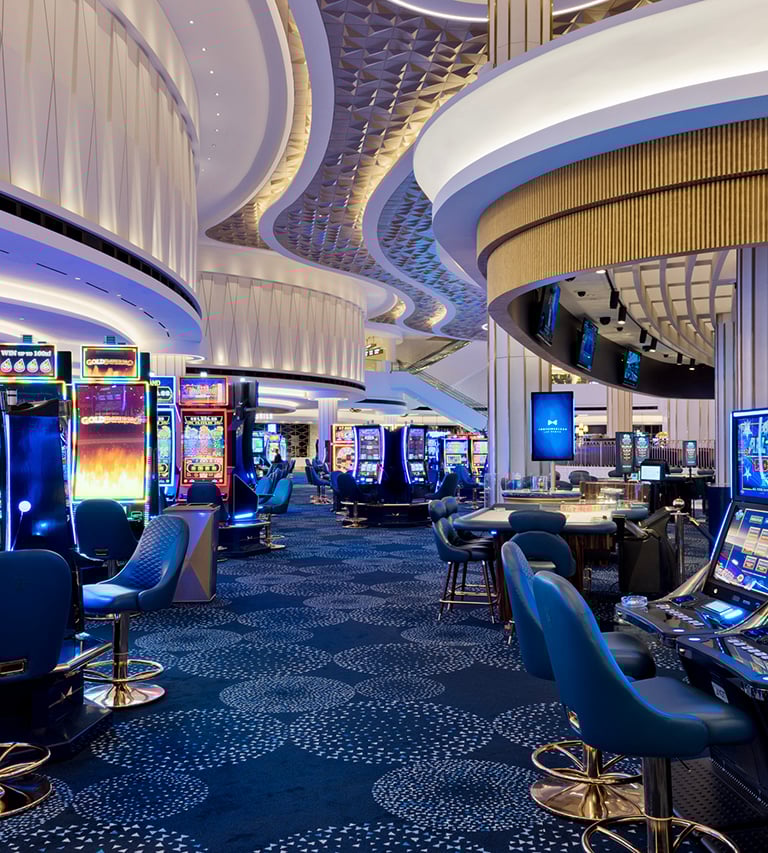
Exploring the Future of Gambling
Today, the landscape of gambling continues to evolve, fueled by advances in technology and changing societal attitudes. The rise of virtual reality and augmented reality is set to revolutionize the way players engage with games, creating immersive experiences that replicate the thrill of being in a casino. Furthermore, the integration of cryptocurrencies and blockchain technology offers new possibilities for transparency and security in online betting.
As we move forward, the importance of responsible gaming will remain a cornerstone of the gambling industry. Awareness campaigns and improved regulations aim to promote safe gambling practices, ensuring that the thrill of gaming is balanced with player welfare. With ongoing innovations and a commitment to safety, the future of gambling promises to be as exciting as its rich history.
0 Comments